Modern organisations operate in fast-moving, cross-functional environments where clarity and alignment determine success. As teams grow and priorities multiply, leaders must ensure work remains structured, visible, and accountable without creating unnecessary complexity or slowing momentum across departments.
Effective project management enables organisations to plan, assign, and deliver work with confidence. By centralising tasks, timelines, and ownership, teams gain a shared understanding of objectives, reducing miscommunication while supporting consistent execution across business units.
As collaboration increases, informal tracking methods quickly become unreliable. Email threads, spreadsheets, and disconnected tools often obscure responsibilities and delay decision-making. Structured workflows provide teams with clear checkpoints, ensuring progress remains visible and issues are identified before they escalate.
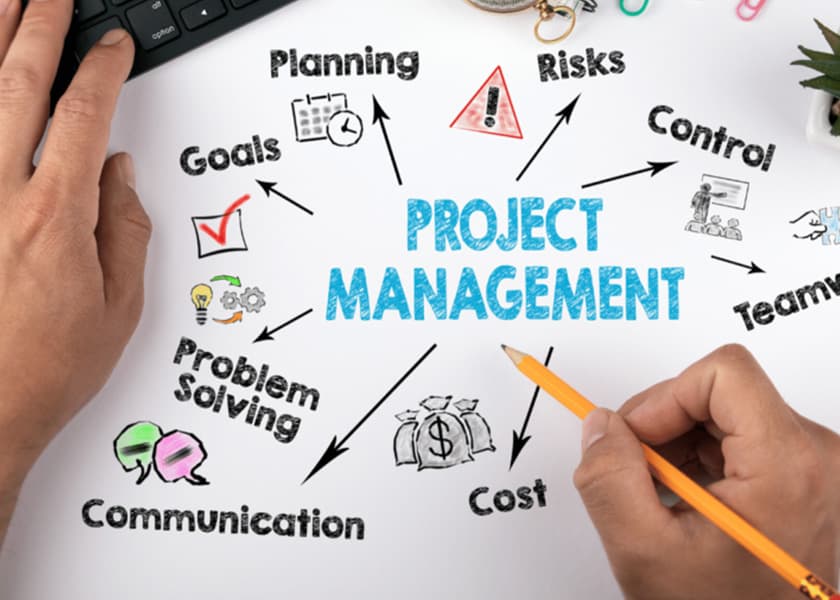
A well-designed system creates rhythm and discipline within teams. Defined milestones, status updates, and review points help organisations move from reactive problem-solving to proactive delivery, allowing teams to focus on outcomes rather than chasing updates or resolving avoidable confusion.
Project visibility also strengthens leadership oversight across departments. Managers can assess workloads, identify bottlenecks, and reallocate resources in real time. With reliable information at hand, decisions are grounded in data rather than assumptions, supporting sustainable growth and operational resilience.
Importantly, structure does not limit flexibility when implemented correctly. Clear workflows and responsibilities allow teams to adapt faster to change, adjust scope, and respond to evolving business needs without losing momentum or accountability.
For organisations scaling operations, consistency becomes critical. Standardised project frameworks allow teams to replicate success across functions while staying aligned with strategic goals, reinforcing collaboration, efficiency, and confidence across the organisation.
Adopting the right Project management software supports this balance of structure and agility. A centralised platform connects people, processes, and progress in one place, enabling effective collaboration while maintaining leadership visibility.
Ultimately, strong project practices transform how organisations work. By aligning people around clear goals and transparent workflows, teams deliver with greater confidence, adaptability, and impact, building a foundation for long-term performance in an increasingly complex business landscape.
