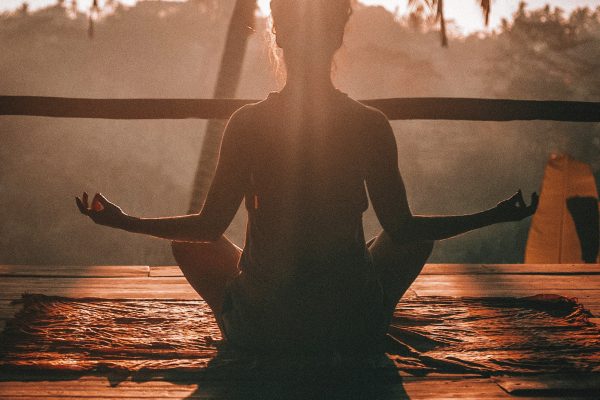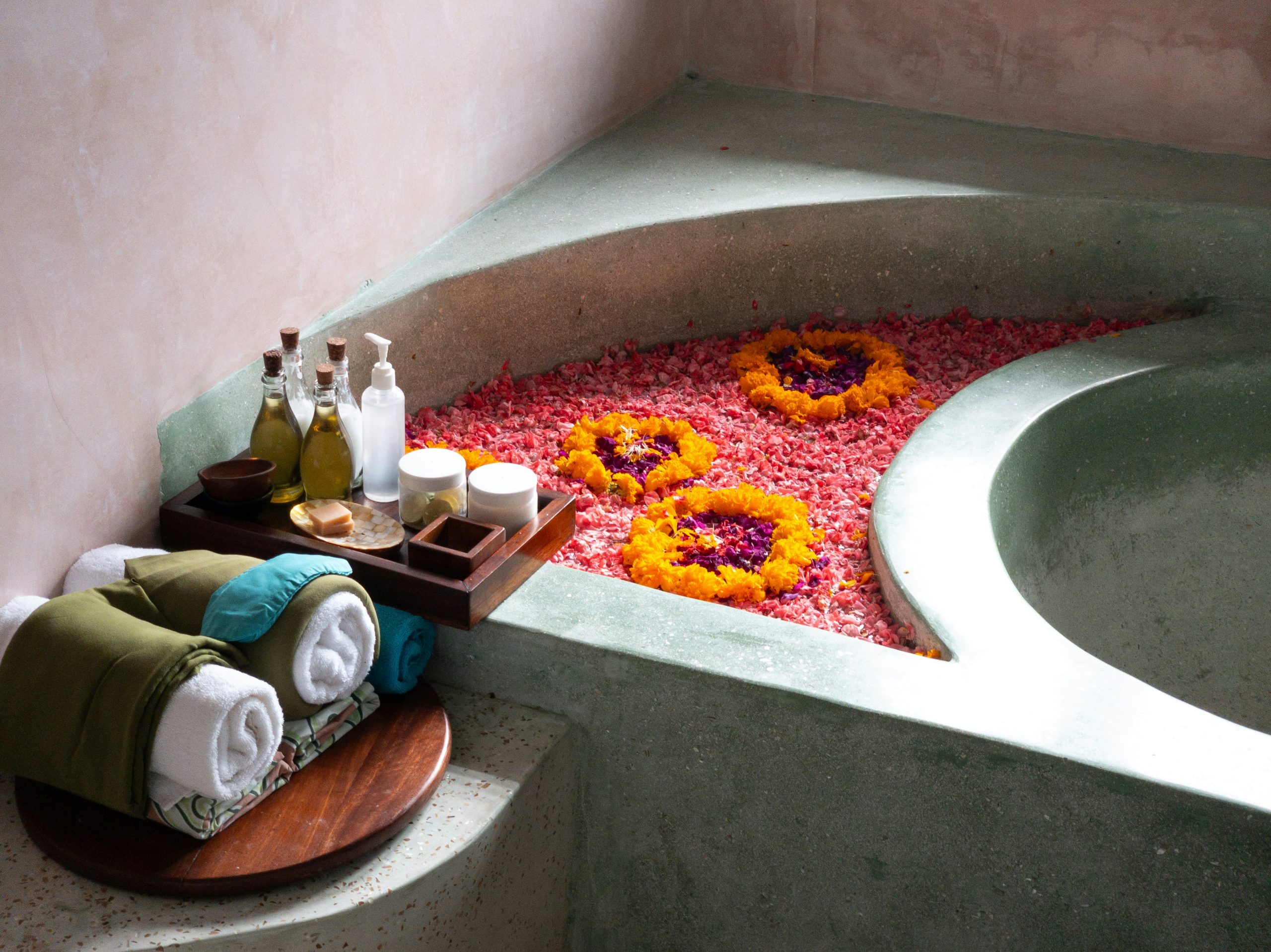
Travel isn’t just about exploring new destinations — it’s also about taking time to slow down and reconnect with yourself. In recent years, more people are seeking wellness retreats as a way to escape the stress of daily life and return home feeling refreshed. From yoga in the mountains to luxurious spa getaways by the sea, Asia offers some of the most diverse and inspiring wellness experiences in the world.
Whether you’re looking for deep healing, a mindful reset, or simply a chance to pamper yourself, here are some of the top wellness retreats worth visiting across Asia.
1. Ubud, Bali – Yoga & Holistic Healing
Ubud has long been known as Bali’s spiritual centre, and it continues to attract travellers seeking peace and balance. Many retreats here offer daily yoga and meditation sessions, holistic healing therapies, and Ayurvedic treatments. Expect fresh, plant-based meals designed to nourish your body, often prepared with organic produce grown nearby.
The lush jungles and serene rice terraces provide a calming backdrop for self-reflection. Whether you choose a week-long yoga immersion or a short spa stay, Ubud’s retreats are perfect for those who want to combine relaxation with cultural discovery.
Best for: Yoga lovers, holistic healing, creative inspiration
2. Chiang Mai, Thailand – Meditation & Mindfulness
Surrounded by mountains and forests, Chiang Mai is a peaceful alternative to Thailand’s bustling capital. Here, you’ll find retreats focusing on mindfulness, silent meditation, and traditional Thai healing practices. Many are inspired by the city’s Buddhist heritage, with some programmes run by monks or local teachers.
In addition to wellness sessions, you can explore Chiang Mai’s temples, night markets, and cooking classes. The slower pace of life makes it easy to embrace mindfulness and reconnect with yourself.
Best for: Mindfulness, meditation beginners, cultural immersion
3. Kerala, India – Ayurveda & Traditional Healing
Known as the birthplace of Ayurveda, Kerala offers a unique chance to experience centuries-old wellness traditions. Retreats here provide personalised treatment plans, including herbal therapies, detox programmes, and yoga tailored to your needs. Sessions often begin with a consultation with an Ayurvedic doctor to align your body and mind.
The scenic backwaters, coconut groves, and quiet beaches create a tranquil environment for healing. A stay in Kerala is not just about relaxation but about long-term health benefits and spiritual growth.
Best for: Long-term healing, Ayurvedic therapies, health-conscious travellers
4. Maldives – Luxury Spa Escapes
If your idea of wellness includes indulgence, the Maldives is the ultimate destination. Retreats here are often part of high-end resorts offering world-class spa facilities, hydrotherapy pools, and private yoga sessions with ocean views. Treatments often blend traditional Asian therapies with modern luxury techniques.
Imagine starting your day with sunrise yoga on a white sandy beach, followed by a deep-tissue massage in an overwater villa. The Maldives is all about combining natural beauty with ultimate comfort.
Best for: Honeymooners, luxury seekers, total relaxation
5. The Philippines – Beachside Wellness
The Philippines’ pristine islands are perfect for wellness retreats that focus on balance and disconnection. Many retreats are located on private or less-visited islands, offering yoga, breathwork, detox meals, and wellness workshops right by the sea.
After sessions, you can enjoy snorkelling, paddleboarding, or simply soaking in the natural beauty of turquoise waters and palm-fringed beaches. These retreats are ideal for those who want a balance between structured wellness and laid-back island living.
Best for: Ocean lovers, adventure combined with wellness, digital detox
6. Japan – Hot Spring (Onsen) Retreats
Japan’s onsen culture is deeply rooted in wellness. Hot spring retreats in places like Hakone, Beppu, and Kusatsu offer therapeutic baths rich in minerals believed to improve circulation and relieve stress. These retreats often combine traditional ryokan stays, multi-course Japanese meals, and opportunities for meditation or forest bathing.
The peaceful setting and respect for ritual make Japanese wellness retreats unique. It’s less about programmes and more about immersing yourself in centuries-old traditions of balance and harmony.
Best for: Cultural wellness, relaxation, unique hot spring therapy
Final Thoughts
Asia’s wellness retreats offer more than just a holiday — they provide a chance to recharge, heal, and reconnect with what truly matters. From luxury overwater spas in the Maldives to ancient Ayurvedic treatments in Kerala, each destination brings its own unique flavour of wellness.
Whether you’re drawn to yoga in Bali, meditation in Thailand, or soaking in Japanese hot springs, planning a wellness retreat is one of the best gifts you can give yourself. Take the opportunity to slow down, restore your balance, and return home with renewed energy and peace of mind.